Stories · Story 5
The snake and the mongoose
Do not judge a struggle from its final frame.
We decide who people are very quickly, and usually from one moment. This story is about everything that one moment leaves out.
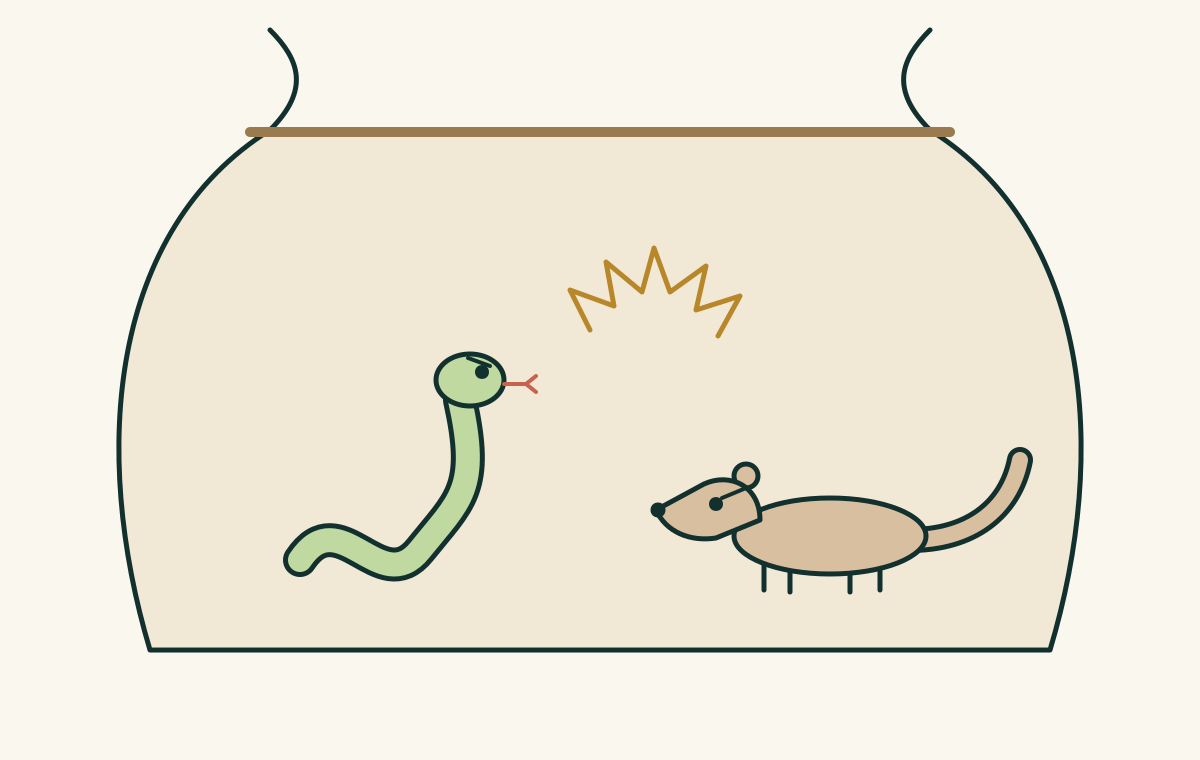
Two enemies, one sack
A hunter put a snake and a mongoose into a heavy sack and tied it shut. Everyone outside expected a fight. The two were known enemies. The closed bag seemed to settle the ending.
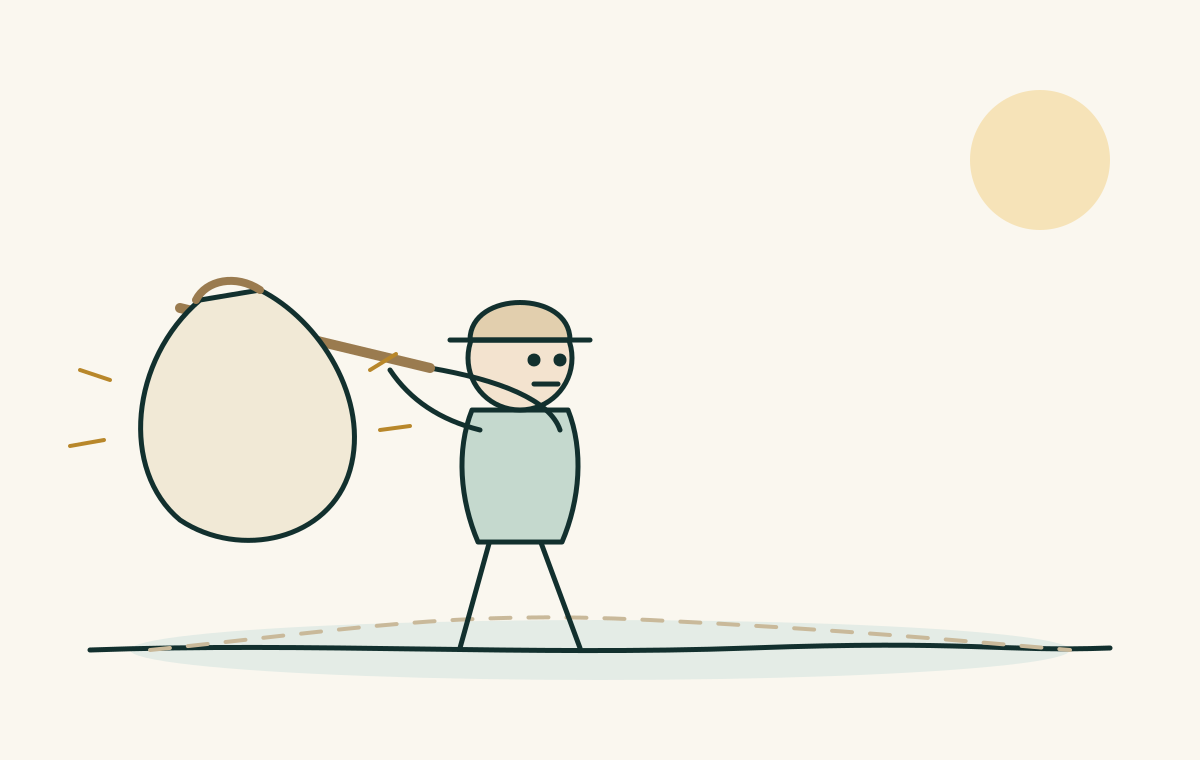
The long road
The sack was carried down a long road. Inside, the two were thrown against the same rough cloth. Every turn pushed them together. At first, every movement felt like a threat.
Then the sack hit the ground. Both were hurt by the fall. Now the danger was not only each other. The rope, the dark and the person carrying them had become the bigger problem.
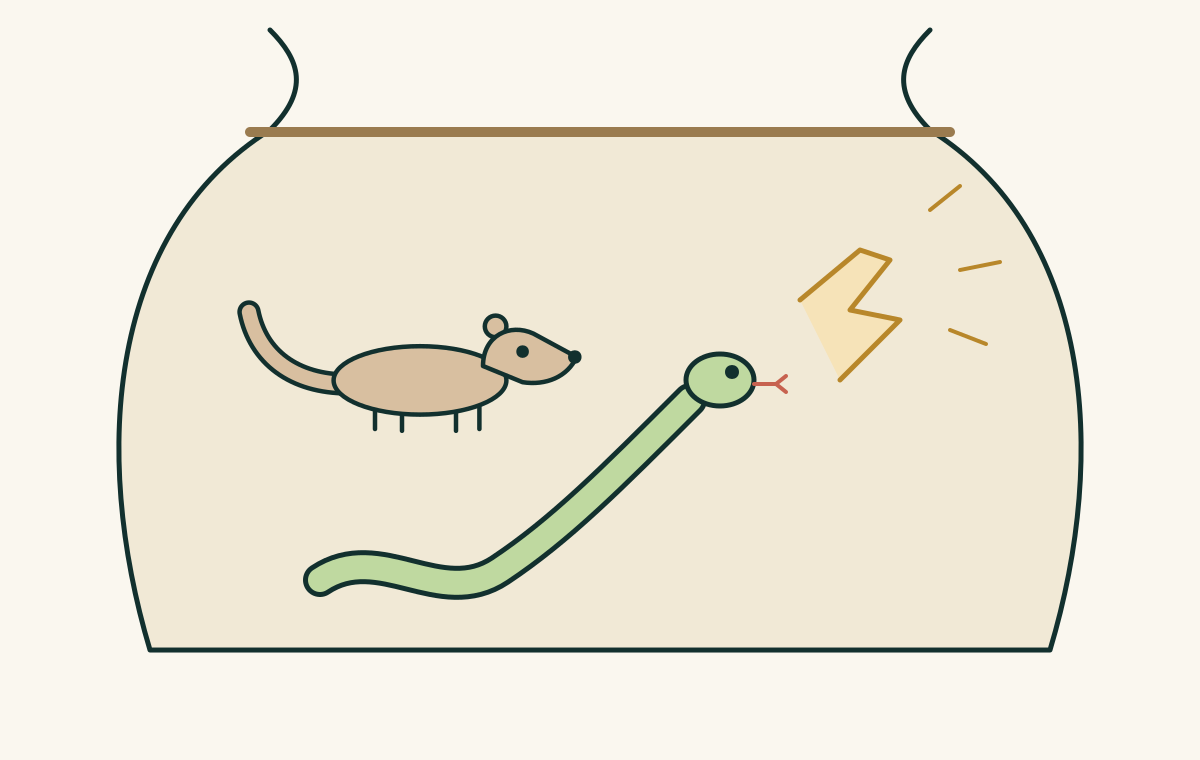
The same seam
The mongoose could have attacked. The snake could have bitten. Instead they went still long enough to notice they were in the same trouble. One pressed against the cloth. The other searched for the weakest seam. Movements that had looked like attack became teamwork.
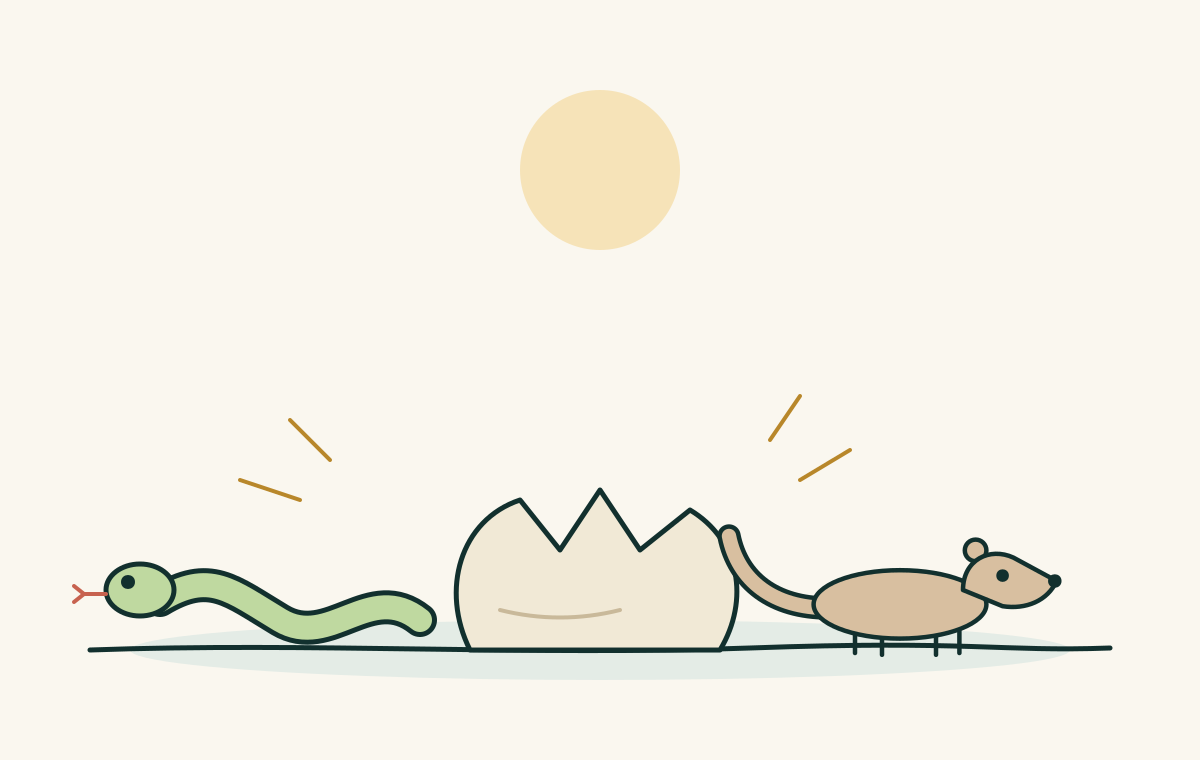
What nobody saw
When the sack finally tore, they left in different directions.
Someone who saw only that last moment might say the two had always understood each other. Someone who knew only their reputation would have sworn neither could survive beside the other.
Both would have missed the journey inside the sack.
What the story shows
We judge fast because attention is limited. We use what we can see, familiar labels and past experience to guess what happens next. These shortcuts are useful. They also hide context.
- The fundamental attribution error
- A well-known habit of the mind. We explain other people’s behavior by their character and give too little weight to their situation. Someone seems cold, lazy or difficult, and we overlook grief, fear, exhaustion or pressure we know nothing about.
- Context is not an excuse
- Understanding why someone acted a certain way does not make harm acceptable. You can hold a boundary and still admit your first explanation may be incomplete.
- Shared trouble changes people
- People who seem opposed may find they have the same problem. People who look united may be under very different pressures.
Where it shows up
- At work. A colleague who misses a deadline may need to be held to it. The useful first step is finding the cause: skill, workload, unclear priorities or lost interest.
- In relationships. A defensive answer may come from fear, not from a lack of care. That can guide the talk without making disrespect okay.
- Online. A short clip removes everything before and after the moment. Certainty grows faster than context.
- Toward yourself. Do not turn one hard season into a permanent verdict on who you are. Say what happened, what shaped it and what is still yours to own.
Five questions worth asking
- What story am I telling about another person’s character?
- Which parts do I know, and which parts am I filling in?
- What pressure in their situation might I be underestimating?
- Can I stay curious without giving up a boundary I need?
- Where have I judged my whole journey from one painful moment?
Write your answers in the brain dump
Try three possible stories
- Write down what you saw, with no meaning added.
- Write your first explanation for it.
- Come up with two other explanations that fit the same facts.
- Name what information would help you tell them apart.
- Choose a response that protects your values without pretending to be certain.
Lesson 2: Facts and stories goes deeper on this.
A wider explanation is not weakness. It is a more accurate place to start.